316 stainless spherical plain bearings, rod ends, track rollers, and custom linkage components for seawater exposure, articulated joints, and hard-to-service subsea mechanisms.
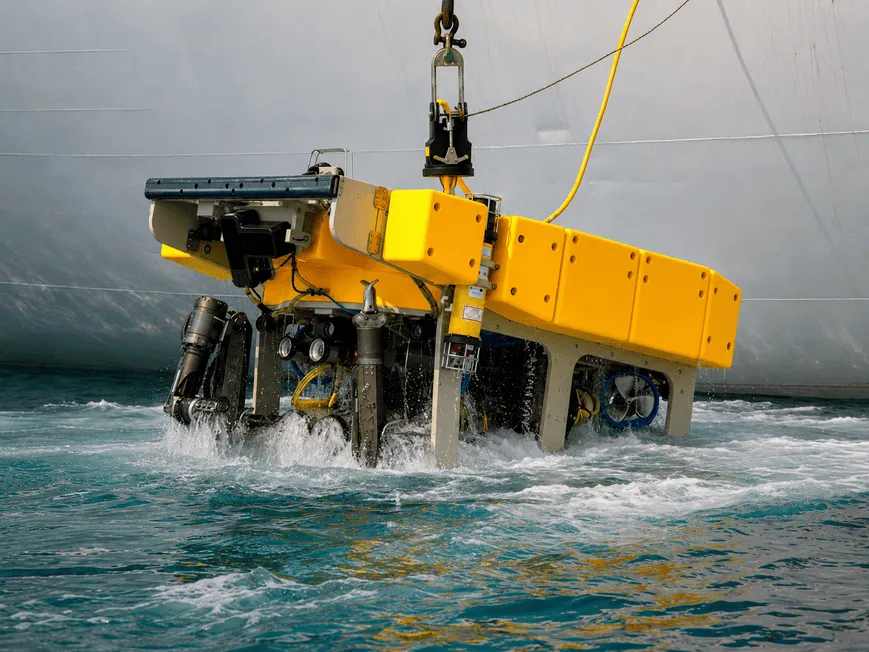
The application extends beyond one robot type to submerged inspection, cleaning, manipulation, and maintenance systems.
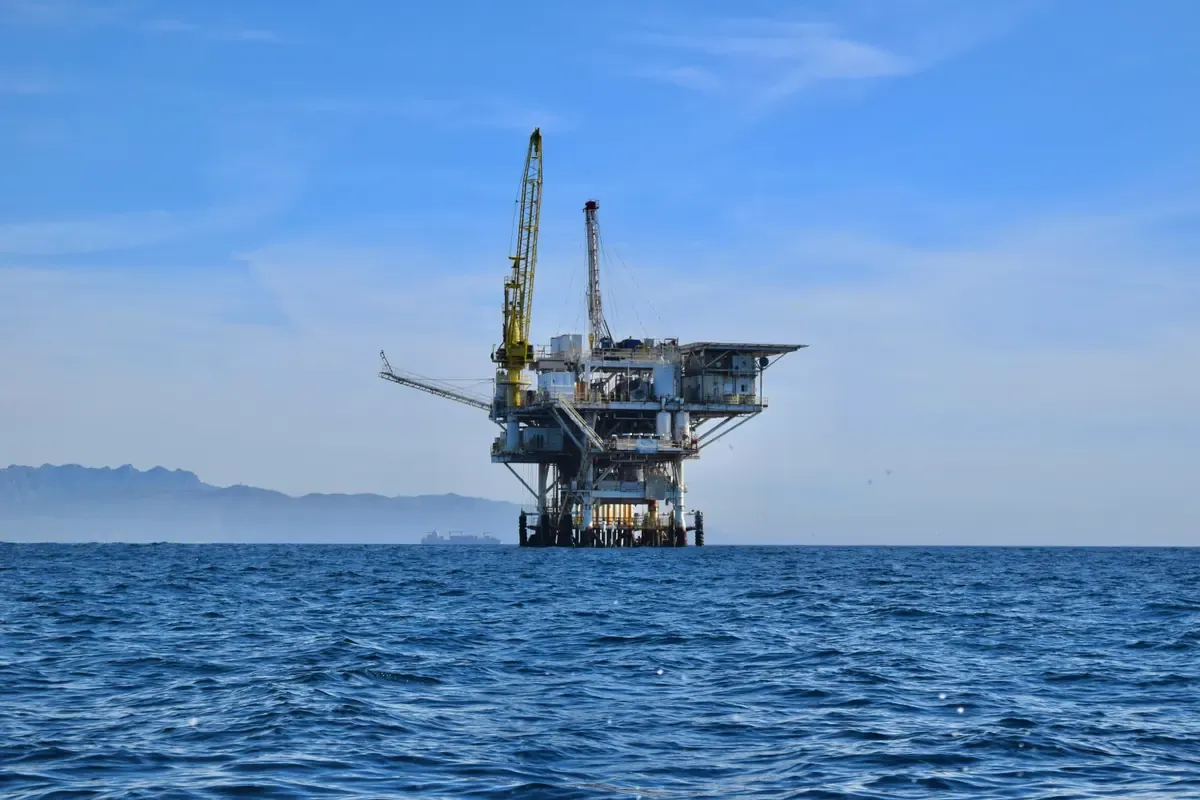
Brush pivots, compliance mechanisms, suspension joints, and tool positioning near a ship hull.
Camera positioning, sensor deployment, steering, and articulated inspection mechanisms.
Control linkages, stabilizers, equipment mounts, and compact moving assemblies.
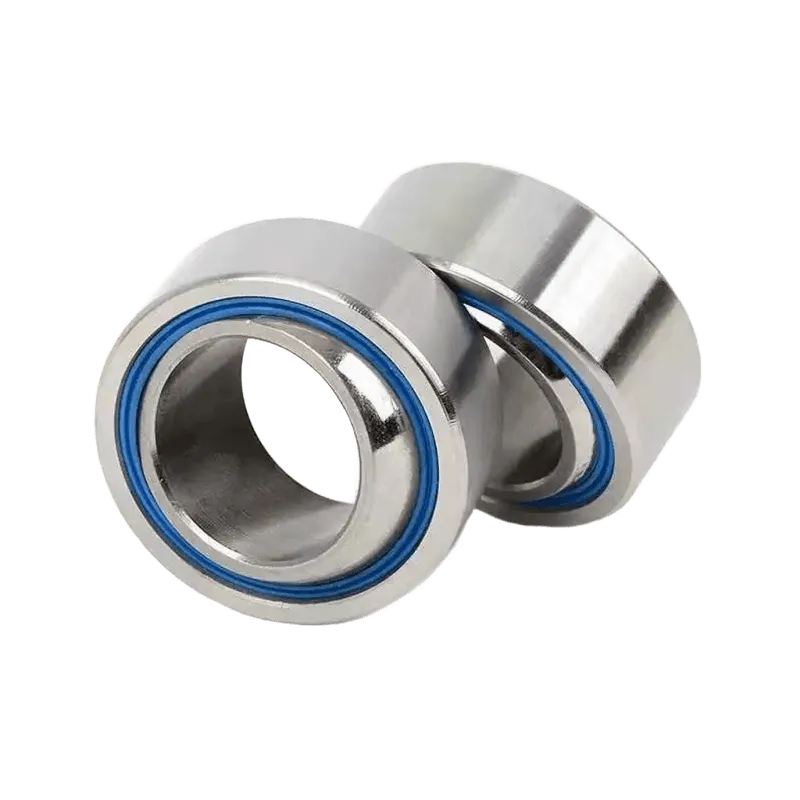
High-load spherical joints for arms, grippers, cleaning heads, and interchangeable tools.
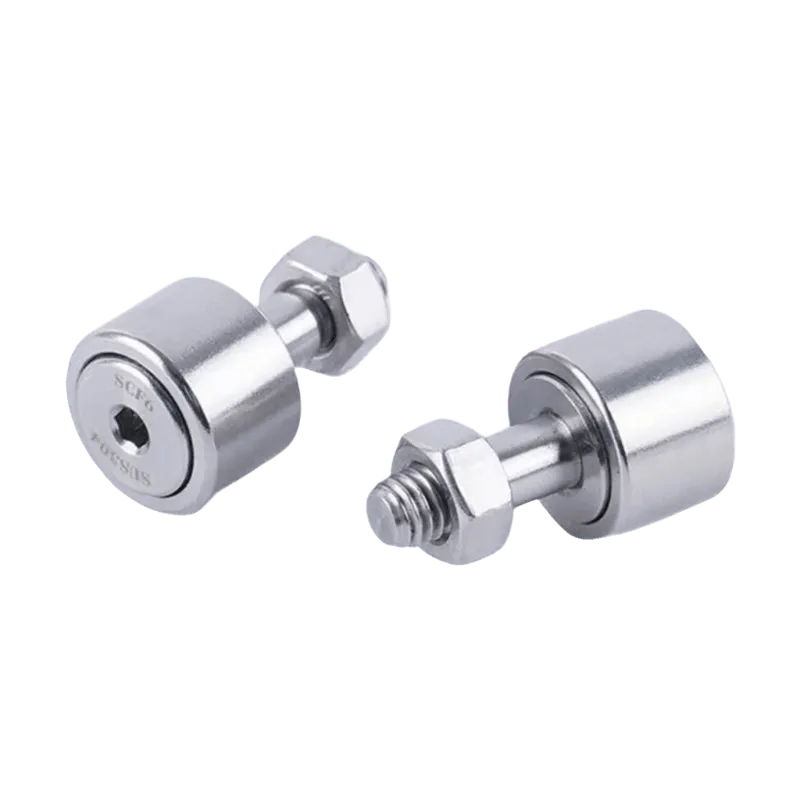
Guides, rollers, linkage hardware, and replacement joints for coastal and subsea service.
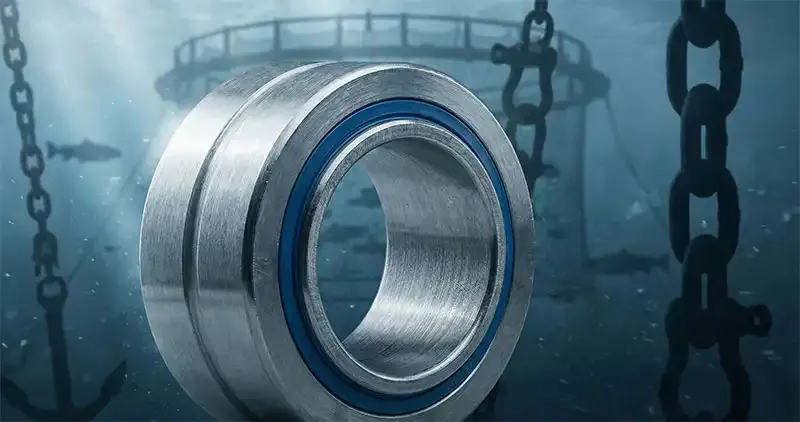
Bearing selection must account for the complete joint, not corrosion resistance alone.
Trapped seawater and chloride concentration can attack crevices after recovery.
Static holding force, movement under load, reversal, and shock require separate checks.
Tool pivots and articulated arms need controlled angular movement without edge loading.
Submerged or enclosed joints may need PTFE-lined structures instead of frequent greasing.
Bearing, pin, housing, fasteners, and cleaning procedure must be reviewed together.
Start with the joint movement and load, then match the product family and stainless construction.
The first review item for submerged pivots, compliant joints, manipulators, and high-load oscillating motion.
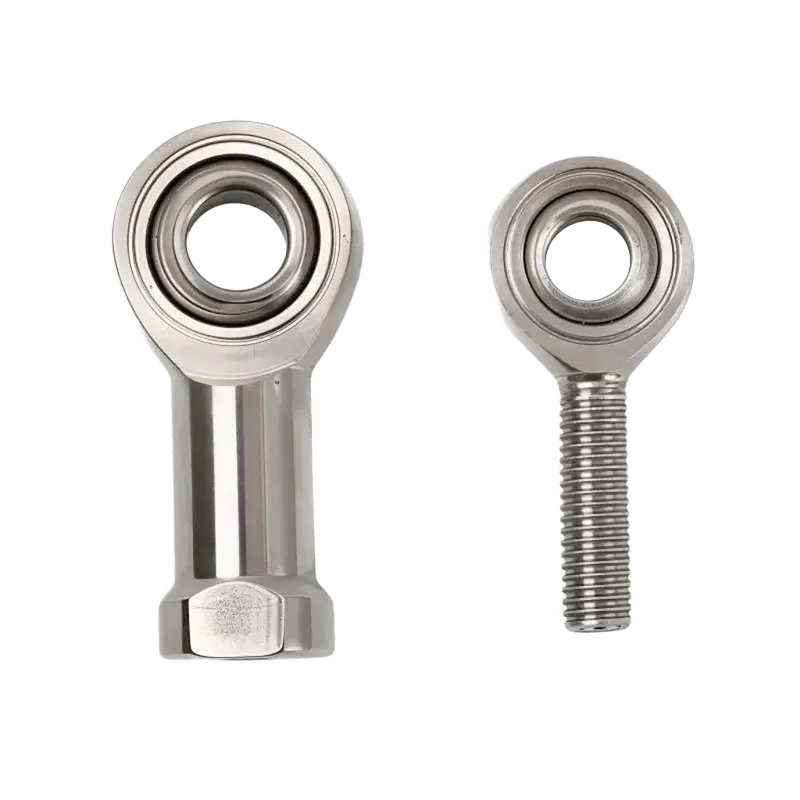
For actuator rods, steering linkages, suspension links, and adjustable robotic mechanisms.
For tool carriages, guide tracks, cleaning heads, and constrained rolling motion.
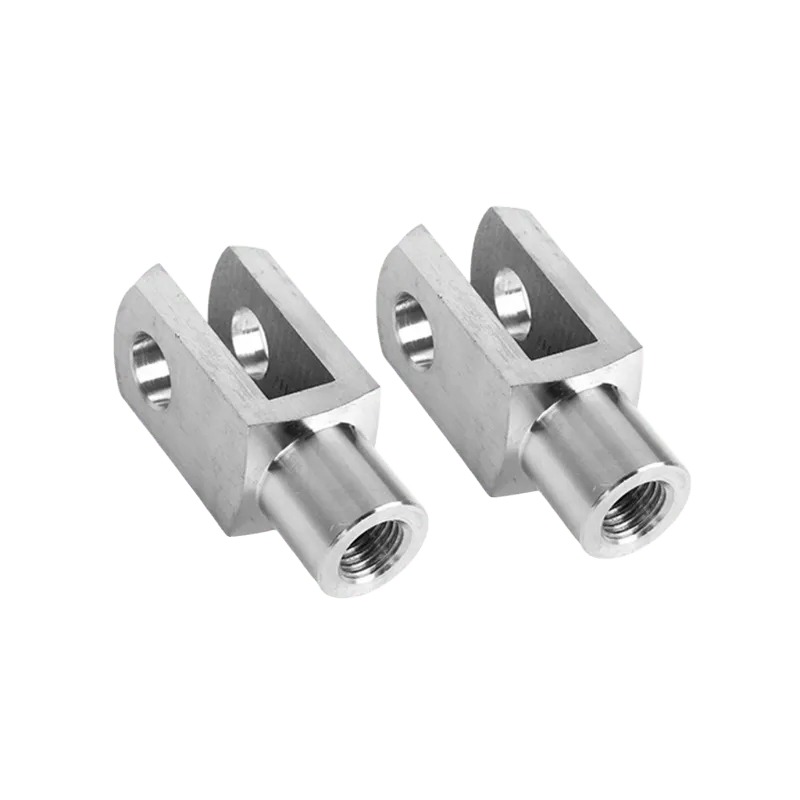
Supporting components for non-standard robotic joints, actuator connections, and replacement assemblies.
Submerged equipment needs a position-by-position choice between corrosion resistance, contact hardness, and low-maintenance sliding performance.
A practical starting point for housings, rings, pins, and hardware exposed to seawater, subject to crevice and load review.
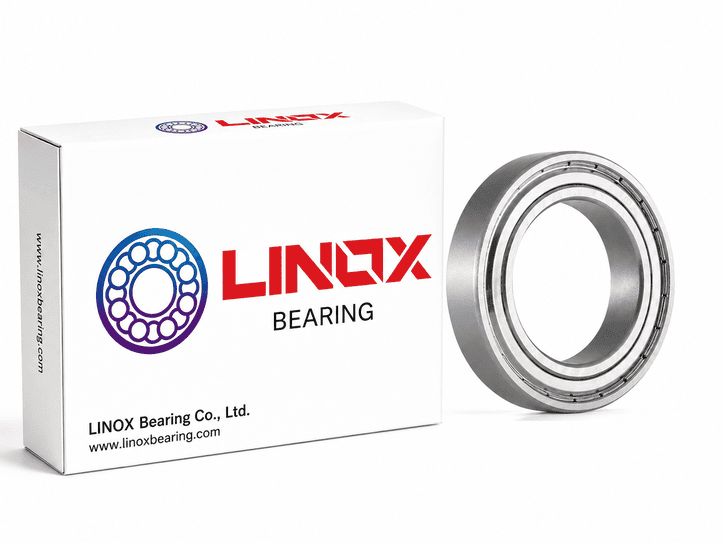
Useful where rolling or concentrated contact wear requires more hardness than austenitic stainless grades provide.
PTFE liners and selected ceramic or hybrid concepts can be reviewed where grease washout, wear, or isolation matters.
Use these guides to review seawater exposure, stainless grades, and articulated marine joints.
Send the load, bearing size, movement angle, material, submersion cycle, drawing, or sample photo for a stainless bearing review.