


Material Guide
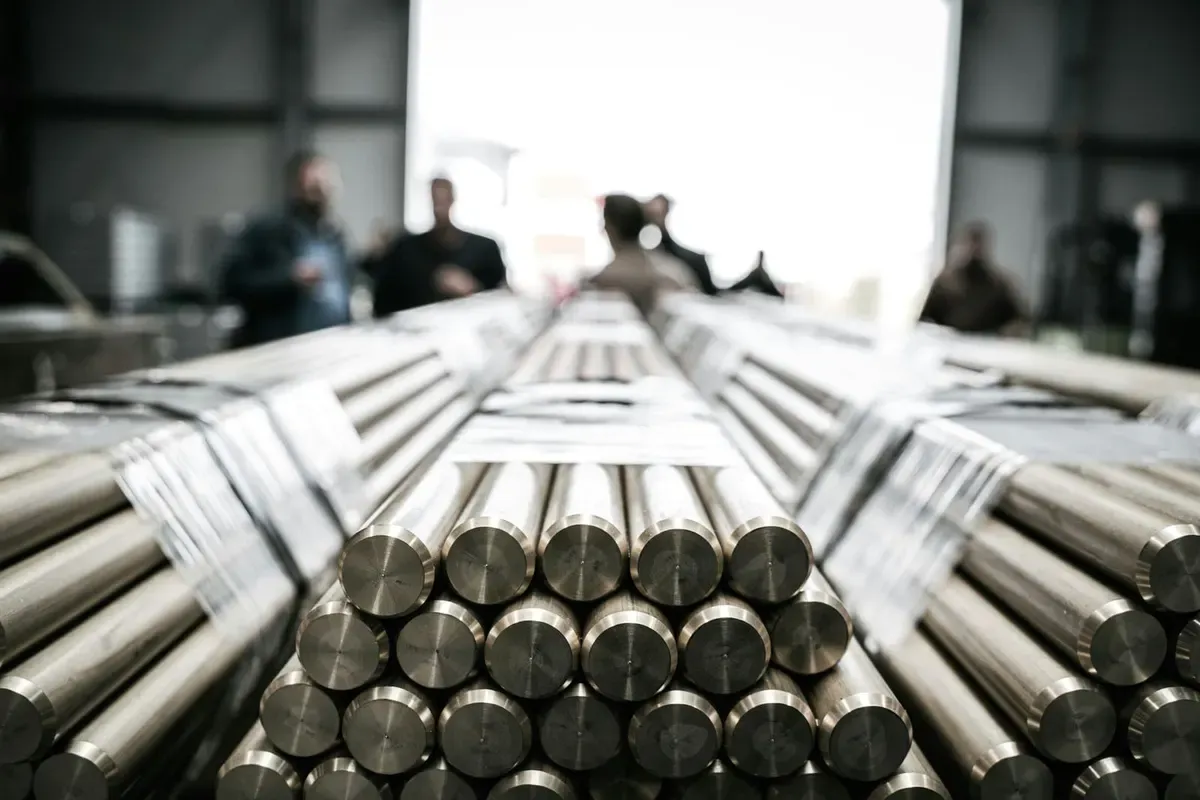
Compare common stainless steel grades used in bearings and related components, including 304, 316, 2205 duplex, 2507 super duplex, 420, 440C, and 17-4PH. Review corrosion resistance, hardness, magnetism, component role, and typical application considerations.
Quick Material Comparison
A high-level overview of common stainless grades and higher-corrosion duplex options used in bearing assemblies and custom motion components.
| Grade | Type | Magnetism | Key Advantage | Consideration |
|---|---|---|---|---|
| 304 | Austenitic | None / Trace | Good general corrosion resistance | Lower hardness |
| 316 | Austenitic | None | Superior chloride & marine resistance | Harder to machine |
| 2205 | Duplex | Yes | Higher chloride resistance and strength than 316 | Not a default rolling-contact grade |
| 2507 | Super Duplex | Yes | Stronger chloride and seawater resistance | Higher cost and custom review |
| 420 | Martensitic | Yes | Higher hardness than 300 series | Moderate corrosion resistance |
| 440C | Martensitic | Yes | High hardness and wear resistance | Susceptible to rust in harsh fluids |
| 17-4PH | PH-Stainless | Yes | High strength with good corrosion res. | More complex processing |
Note: Availability varies by product type and structure. Confirm during inquiry.
Material Profiles
Stainless Steel
A widely used stainless steel grade for general industrial environments. Often selected where general corrosion resistance, manufacturability, and cost balance are important.
Stainless Steel
Commonly selected for environments involving salt, chlorides, humidity, washdown, or outdoor exposure. Often referred to as marine-grade stainless.
Duplex Stainless Steel
A duplex grade reviewed when chloride exposure, stress corrosion risk, and strength requirements exceed the practical range of standard 316 components.
Super Duplex Stainless Steel
A super duplex grade for severe chloride, seawater, desalination, offshore, and chemical environments where higher corrosion resistance is required.
Stainless Steel
A martensitic grade that provides higher hardness and strength than 300 series. Often considered for parts where wear resistance matters but cost must be controlled.
Stainless Steel
A high-carbon martensitic stainless steel used where high hardness and wear resistance are critical, like bearing balls, races, and fatigue surfaces.
Stainless Steel
Often selected where a project requires higher strength together with useful corrosion resistance. May be considered for selected stems, shafts, or structural parts.
Side-by-Side Property Matrix
| Property | 304A2 Grade | 316A4 / Marine | 2205Duplex | 2507Super Duplex | 420Hardened | 440CHigh-Wear | 17-4PHStructural |
|---|---|---|---|---|---|---|---|
| Structure Type | Austenitic | Austenitic | Duplex | Super Duplex | Martensitic | Martensitic | PH Stainless |
| Magnetism | None / Trace | None | Magnetic | Magnetic | Magnetic | Magnetic | Magnetic |
| Corrosion Resistance | Good | Excellent | Very High | Severe Service | Moderate | Moderate | Good |
| Hardness Potential | Low | Low | Medium | Medium | Medium-High | High | Medium-High |
| Wear Resistance | Low | Low | Medium | Medium | Medium | High | Medium |
| Marine / Chloride | Limited | Preferred | Stronger than 316 | Severe chloride | Not Recommended | Not Recommended | Project-dependent |
| Stress Corrosion Cracking | Moderate risk | Better than 304 | Strong resistance | Very strong resistance | Project-dependent | Project-dependent | Project-dependent |
| Best Component Role | Housings / hardware | Marine housings / hardware | Shafts / pins / custom parts | Seawater custom parts | Hard parts | Balls / races / rollers | High-strength parts |
| Typical Cost | $ | $$ | $$$ | $$$$ | $ | $$ | $$$ |